

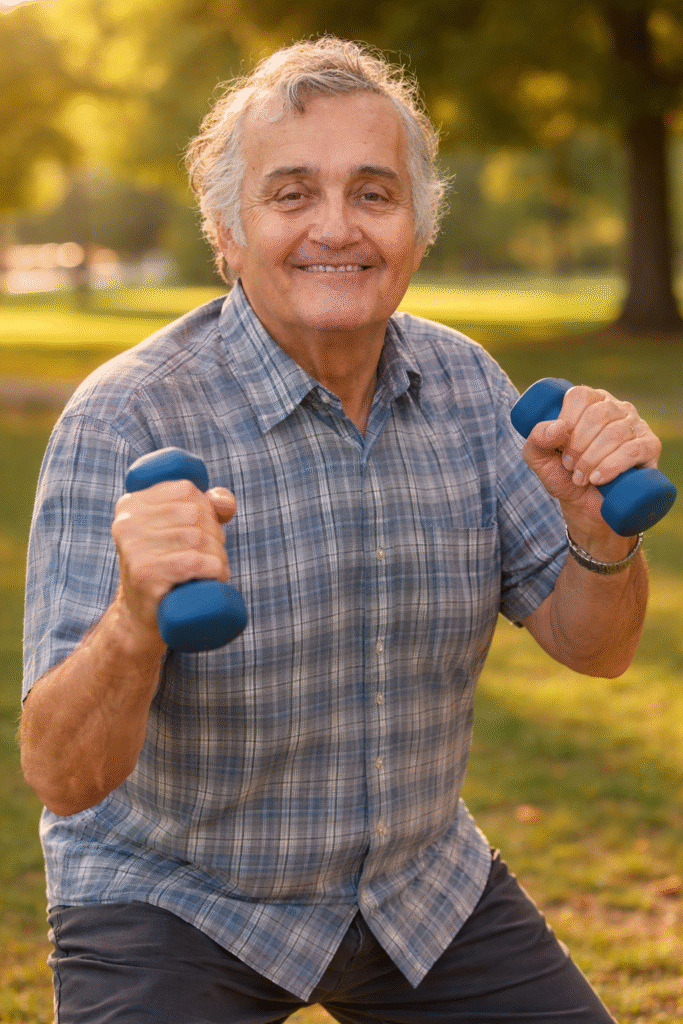
Exercise is widely recognised as one of the most effective tools for improving health, managing chronic conditions, and maintaining independence across the lifespan. However, many people are unsure what Exercise Physiology involves or how it differs from other allied health services such as physiotherapy.
Exercise Physiology focuses on using structured, evidence-based exercise to improve physical function, support recovery, and enhance quality of life. For older adults in particular, maintaining strength, mobility and confidence with movement can play an important role in staying active and independent.
What is Exercise Physiology?
Exercise Physiology is a specialised area of allied health that uses evidence-based exercise interventions to help people manage medical conditions, injuries, and long-term health concerns.
In Australia, Exercise Physiologists are university-qualified allied health professionals accredited through Exercise & Sports Science Australia (ESSA).
ESSA is the national professional body for exercise and sports science practitioners and sets professional standards that ensure Accredited Exercise Physiologists meet strict education, safety, and ethical practice requirements.
Accredited Exercise Physiologists assess physical function, prescribe safe exercise programs, and support individuals living with a wide range of health conditions.
Exercise Physiologists commonly work with people experiencing:
- chronic pain
- cardiovascular disease
- diabetes and metabolic conditions
- arthritis and musculoskeletal conditions
- neurological conditions
- mental health conditions
- reduced mobility or balance
- age-related loss of strength and physical capacity
The goal of Exercise Physiology is to help individuals improve physical capacity and confidence with movement through personalised exercise programs.
Exercise Physiology vs Physiotherapy
Exercise Physiology and Physiotherapy are both important allied health professions and often work closely together. However, their roles typically focus on different stages of treatment and recovery.
| Exercise Physiology | Physiotherapy |
| Focuses on long-term exercise programs for health and chronic condition management | Focuses on diagnosing and treating injuries or movement problems |
| Uses structured exercise to improve strength, mobility and physical capacity | Often includes hands-on treatment such as manual therapy |
| Supports long-term management of conditions such as diabetes, heart disease and arthritis | Commonly involved in acute injury treatment and post-surgical rehabilitation |
| Helps people maintain independence and functional ability | Helps restore movement and reduce pain following injury |
In many cases, physiotherapists help manage the acute injury or early rehabilitation stage, while Exercise Physiologists support long-term rehabilitation and health management through exercise.
Benefits of Exercise Physiology for Older Adults
Exercise is one of the most effective tools available for improving health outcomes and maintaining physical function as we age.
Structured exercise programs can improve strength, balance, mobility, cardiovascular health and mental wellbeing. For individuals managing chronic conditions, targeted exercise can also help reduce symptoms and improve confidence with movement.
Exercise Physiologists ensure exercise is safe, appropriate and tailored to each individual’s health status and goals, particularly when pain, medical conditions or reduced mobility make physical activity more challenging.
Benefits of working with an Exercise Physiologist may include:
- improved strength and mobility
- reduced pain and fatigue
- improved balance and falls prevention
- better management of chronic health conditions
- increased independence in daily activities
- improved confidence with movement
The Australian Physical Activity Guidelines for Older Australians recommend regular strength, balance and aerobic exercise to support healthy ageing.
Exercise and Everyday Function
In practice, many people reduce their physical activity following illness, injury, or as part of the ageing process. Over time this can lead to loss of strength, reduced balance, and decreased confidence with movement.
Exercise Physiology focuses on gradually rebuilding physical capacity so individuals can safely return to everyday activities such as walking longer distances, climbing stairs, carrying groceries, or participating in social and community activities.
Maintaining strength and mobility is one of the most important factors in preserving independence and quality of life.
Practical Examples: How Exercise Physiology Helps in Everyday Life
Exercise Physiology programs are often designed around everyday movements that support independence and safety at home.
For example, an Exercise Physiologist may help someone who finds it difficult to stand up from a chair by strengthening the muscles used for sit-to-stand movements. Improving this ability can make everyday tasks such as getting up from the couch, dining chair, or bed much easier.
Similarly, balance and lower body strengthening exercises can help individuals feel more confident walking outdoors, navigating uneven surfaces, or climbing stairs.
Exercise programs may also focus on building endurance for everyday tasks such as walking longer distances, carrying groceries, or completing household activities without excessive fatigue.
By focusing on movements that directly relate to daily life, Exercise Physiology helps people maintain independence and confidence with movement.
| Falls Prevention and Balance |
| Falls are one of the most common causes of injury and loss of independence in older adults. Changes in muscle strength, balance and reaction time can increase fall risk as people age. Exercise programs that include strength training, balance exercises and mobility work can significantly reduce fall risk. Exercise Physiologists often design programs that improve lower body strength, coordination and stability to support safe movement. Improving balance and strength can make everyday activities such as standing from a chair, walking outdoors or climbing stairs easier and safer. |
| Managing Chronic Health Conditions |
| Many older adults live with one or more chronic health conditions such as arthritis, heart disease, diabetes or osteoporosis. Exercise Physiologists are trained to prescribe exercise programs that are safe and appropriate for individuals managing medical conditions. These programs can help improve physical capacity while supporting symptom management. Regular exercise has been shown to help manage blood pressure, improve blood sugar control, reduce joint stiffness and support cardiovascular health. |
| Social and Mental Health Benefits |
| Exercise programs can also provide important psychological and social benefits. Participating in structured exercise sessions can help people stay socially connected, which may reduce feelings of isolation and support overall wellbeing. Regular physical activity has also been shown to improve mood, reduce symptoms of anxiety and depression, and support cognitive health. |
What Does the Research Say?
Research strongly supports the role of exercise in improving health outcomes for older adults.
A recent Australian study evaluating a 12-week exercise program delivered by Accredited Exercise Physiologists and Exercise Scientists found that older adults experienced measurable improvements in health-related quality of life following the program
The program demonstrated that structured exercise classes delivered by trained professionals can support improvements in mobility, pain levels and overall wellbeing for older Australians.
Supporting Healthy Ageing
Exercise Physiology plays an important role in supporting healthy ageing. Through personalised and evidence-based exercise programs, Exercise Physiologists help individuals improve physical function, manage chronic conditions and maintain independence.
For older adults, maintaining strength, mobility and confidence with movement can make a significant difference in everyday life.
Exercise Physiology for Older Adults in Australia
Frequently Asked Questions About Exercise Physiology
| What does an Exercise Physiologist do? |
| An Accredited Exercise Physiologist assesses physical function and designs personalised exercise programs to improve strength, mobility and overall health. |
| Is Exercise Physiology suitable for older adults? |
| Yes. Exercise programs can be tailored to suit different health conditions, fitness levels and mobility needs. Many programs focus on improving strength, balance and endurance to support independence and reduce falls risk. |
| Do I need to be fit to see an Exercise Physiologist? |
| No. Exercise programs are designed to meet individuals at their current ability level. An Exercise Physiologist will assess your health, physical capacity and goals before developing a program that is safe and appropriate. |
| What conditions can Exercise Physiology help manage? |
| Exercise Physiology can support individuals managing a range of conditions including cardiovascular disease, diabetes, arthritis, chronic pain, osteoporosis and neurological conditions. |
How to Get Started with Exercise Physiology
If you are interested in improving your strength, mobility or overall health through exercise, speaking with an Accredited Exercise Physiologist can be a helpful first step.
Exercise Physiologists work with individuals across a wide range of health conditions and fitness levels to develop safe, personalised exercise programs.
You may be able to access Exercise Physiology services through referrals from your GP or healthcare provider, or by contacting an Exercise Physiologist directly.