

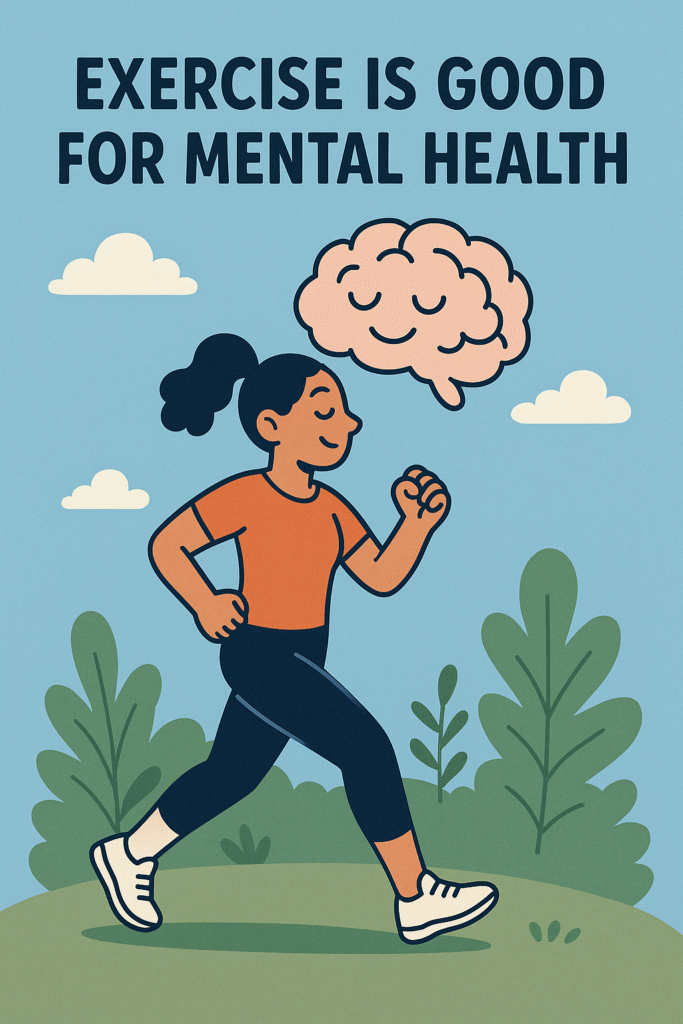
When mental health needs are explicitly recognized in goals alongside physical goals,exercise physiology should be included as a support. By demonstrating how movementhelps mood, cognition and daily function, the case for inclusion becomes stronger.
Many participants under the National Disability Insurance Scheme (NDIS) may
focus on physical goals – mobility, strength, independence. What’s often overlooked,
however, is the critical connection between movement and mental health. For people living
with disability, chronic pain or other barriers, the emotional and psychological load of day
to-day life can weigh as heavily as the physical. That’s where exercise physiology plays a
vital role — not just for the body, but for the mind.
What is Exercise Physiology?
An Accredited Exercise Physiologist (AEP) is an allied-health professional who uses
movement, exercise prescription, education and behavioral strategies to support people
with disability, long-term conditions or functional limitations. Rather than simply “fitness”,
the focus is on therapeutic, individually tailored interventions that improve physical
capacity, mental health, participation and quality of life.
The Challenge: Mental Health and Disability
People living with disability or chronic conditions often face higher rates of anxiety,
depression, social isolation, fatigue and reduced confidence. The burden of repeated
tasks, managing symptoms, navigating supports and barriers can erode mental wellbeing.
Research shows that physical activity can help prevent and treat mental health disorders
— with improvements in mood, self-esteem, cognitive function and quality of life.
How Exercise Physiology Supports Better Mental Health
A tailored exercise physiology program can help in several ways:
- Improved mood and reduced anxiety/depression: Meta-analyses report moderate effect sizes of resistance training on depressive symptoms (≈ 0.39-0.66) in controlled trials.
- Increased self-efficacy and confidence: The act of progressing in movement, mastering tasks, regaining function contributes to feeling capable again.
- Better cognitive and brain health: Regular physical activity is linked to improved executive function, attention and regulation of mood.
- Reduced isolation and increased participation: Moving more easily, feeling physically capable, being out in the community all support mental health.
- Consistent structure, goal achievement and routine: These elements reduce unpredictability, increase stability, and support mental wellbeing.
Integrating into the NDIS Framework
Exercise physiology aligns strongly with NDIS capacity-building supports:
- Capacity Building – Improved Health & Wellbeing (12) – through enhancing physical and mental health.
- Capacity Building – Improved Daily Living (15) – via improved functional capacity, confidence and participation.
AEPs provide assessment, measurable outcomes and structured plans that fit the
evidence-based criteria.
When mental health needs are explicitly recognized in goals alongside physical goals,
exercise physiology should be included as a support. By demonstrating how movement
helps mood, cognition and daily function, the case for inclusion becomes stronger.
Take the Next Step
At Greater Health, we believe movement is medicine for both body and mind. Our mobile
AEPs work at your home, in the gym or the community – tailored to your goals, your pace
and your life.
Click here if you are a Carer or Support Coordinator looking for the referral form.
Ready to improve your mood, your movement and your independence?
Contact us today: admin@greaterhealth.au | 0479 077 723